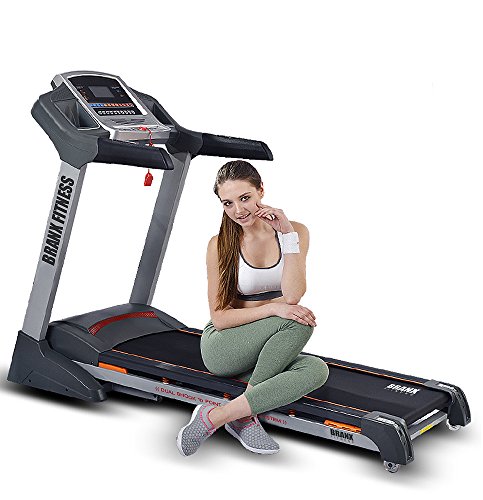
The Rise of Non-Electric Treadmills in the UK: A Sustainable Approach to Home Fitness
In current years, the physical fitness market has actually seen a significant shift towards sustainability and health-conscious way of lives. With the rise of eco-friendly products, non-electric treadmills have actually gotten significant appeal amongst physical fitness lovers and casual users alike. These treadmills offer a distinct mix of sustainability, performance, and price, making them an excellent option for those wanting to get fit without the hefty cost of electricity-consuming devices. This short article will explore the functions, advantages, and choices offered in the UK market for non-electric treadmills.
Understanding Non-Electric Treadmills
Non-electric treadmills, in some cases referred to as manual or self-powered treadmills, run without a source of power. Rather, they rely solely on the user's movement to drive the treadmill belt. They can be an excellent addition to home health clubs, particularly for those wanting to prevent high electricity costs or looking for to decrease their carbon footprint.
Types of Non-Electric Treadmills
There are numerous types of non-electric treadmills available in the market. Here's a concise table that breaks down the main types you might encounter:
| Type | Description | Pros | Cons |
|---|---|---|---|
| Wood Treadmills | Made from premium wood, using a traditional aesthetic. | Durable, visual appeal | Heavier and can be more expensive |
| Steel Treadmills | Durable and robust, typically made from steel or strong metals. | Lasting, steady | Much heavier, might have a greater carbon footprint |
| Foldable Treadmills | Easy to save and transfer, often with a light-weight frame. | Space-saving, portable | May compromise on stability and durability |
| Incline Treadmills | Offers integrated in incline features for included strength. | Great for different exercises | Typically heavier and more expensive |
Secret Features of Non-Electric Treadmills
- User-Powered Movement: The most unique feature is that they are powered straight by the user, providing a natural running simulation.
- Adjustable Incline: Many designs allow users to alter the incline by hand, offering a more tough exercise.
- Space Efficiency: Treadmills can be created to fold or compact quickly for storage, fitting homes with minimal space.
- Resilience: Non-electric treadmills are usually built from robust products, promising a long life-span with regular usage.
Advantages of Non-Electric Treadmills
Non-electric treadmills come with many advantages that make them an appealing choice:
- Cost-Effective: By removing the requirement for an electric outlet, users can save on electricity bills and utilize their devices anywhere.
- Sustainable Workout: These treadmills represent a greener method to fitness, contributing to a lower environmental impact.
- Natural Running Mechanics: The manual aspect engages core muscles better and helps enhance flexibility and stability.
- Lower Maintenance Costs: Being mechanical, there is less that can fail compared to their electric counterparts, resulting in lowered upkeep requirements.
Aspects to Consider When Choosing a Non-Electric Treadmill
While picking a non-electric treadmill, a potential purchaser should think about a number of factors:
- Weight Capacity: Ensure that the treadmill can accommodate the user's weight.
- Runner's Comfort: Look for features like adjustable belt resistance and cushioning to enhance comfort.
- Mobility: If area is an issue, select a design that can be quickly folded or transported.
- Price Range: Establish a budget plan as prices can vary extensively based upon materials and features.
Popular Models in the UK
The UK market offers a variety of non-electric treadmills with various functions and price points. Here are some well-regarded options:
| Model | Price Range | Secret Features | User Ratings |
|---|---|---|---|
| Physical Fitness Reality TR3000i | ₤ 300 - ₤ 450 | High weight capability, foldable, and manual incline | 4.5/ 5 |
| Kettler Track S | ₤ 400 - ₤ 600 | Adjustable incline, compact style | 4.6/ 5 |
| Smarter Fitness SMA7 at Home | ₤ 250 - ₤ 400 | Made from wood, visual style, very tough | 4.4/ 5 |
| ProForm Performance 400i | ₤ 300 - ₤ 500 | User-friendly user interface, good build quality | 4.3/ 5 |
Frequently Asked Questions (FAQ)
Q1: Can I get an excellent exercise on a non-electric treadmill?
A1: Yes! Non-electric treadmills engage your muscles more than electric models due to their manual nature, providing an outstanding cardiovascular exercise.
Q2: Are non-electric treadmills more budget-friendly than electric ones?
A2: Generally, they are more cost effective since they don't count on electrical functioning, causing less upkeep and operation expenses.
Q3: How do I maintain a non-electric treadmill?
A3: Maintenance is basic. Keep the treadmill tidy, lubricate the belt if necessary, and regularly inspect for any loose bolts or parts.
Q4: What is the weight limit for non-electric treadmills?
A4: Most models support a weight variety in between 100kg and 180kg. It is recommended to inspect specific requirements.
Q5: Is operating on a non-electric treadmill more difficult than on an electric one?
A5: It can be, as users need to produce all movement. Nevertheless, Non Motorized Treadmill can result in much better endurance and muscle engagement over time.
As the UK turns its focus towards sustainable living and much healthier way of lives, non-electric treadmills use a testimony to this changing landscape. With their price and environmentally friendly leanings, these machines represent a considerable shift in how individuals view fitness in your home. By considering the advantages and essential elements laid out in this short article, physical fitness lovers can make educated decisions that cater not just to their fitness requires however likewise to their ecological ideals.
Whether it's for casual walking or intense running, buying a non-electric treadmill can be a step towards a much healthier and more sustainable lifestyle.